
Nearly two years on from the release of When I Died for the First Time, Tim Booth’s debut novel still lingers – unsettling, tender, and unexpectedly intimate. This week, the audiobook release lets the story be heard in a whole new way. Written over more than a decade, the book moves through grief, addiction, love, and transformation with the same emotional risk that has long defined his songwriting. In this conversation, Laura speaks to Tim about the long road to writing the novel, the personal experiences woven into its fiction, and the ideas and influences that shaped its darkest – and most human – moments.
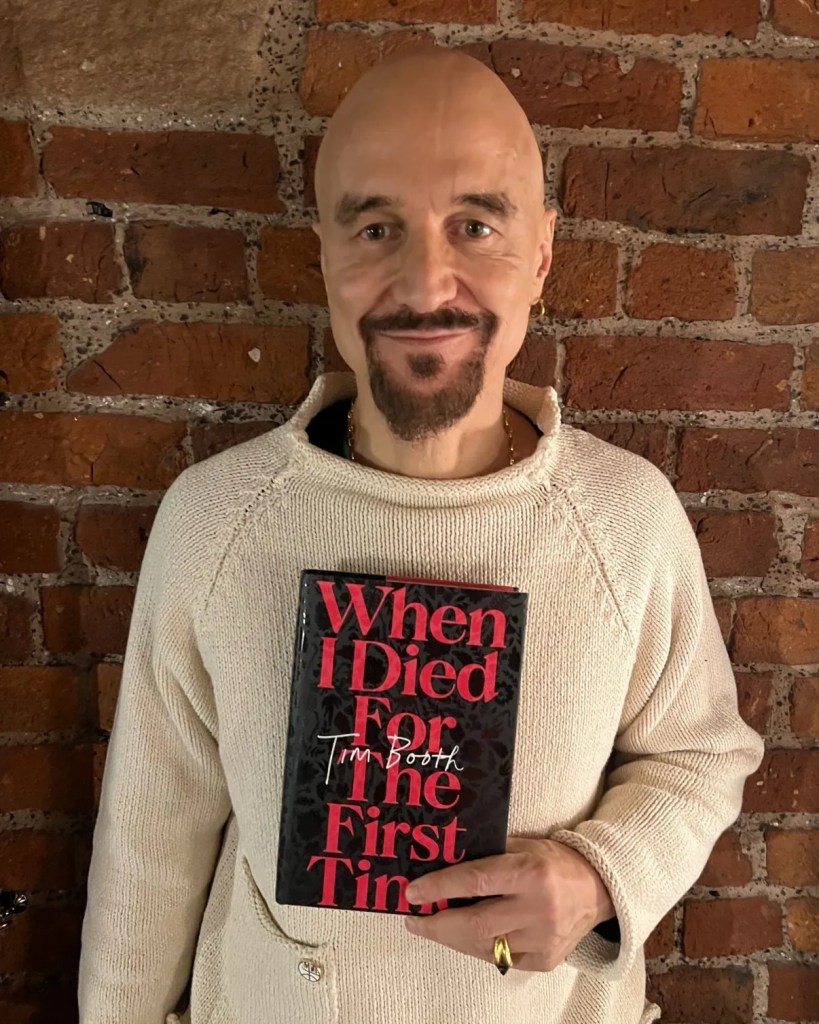
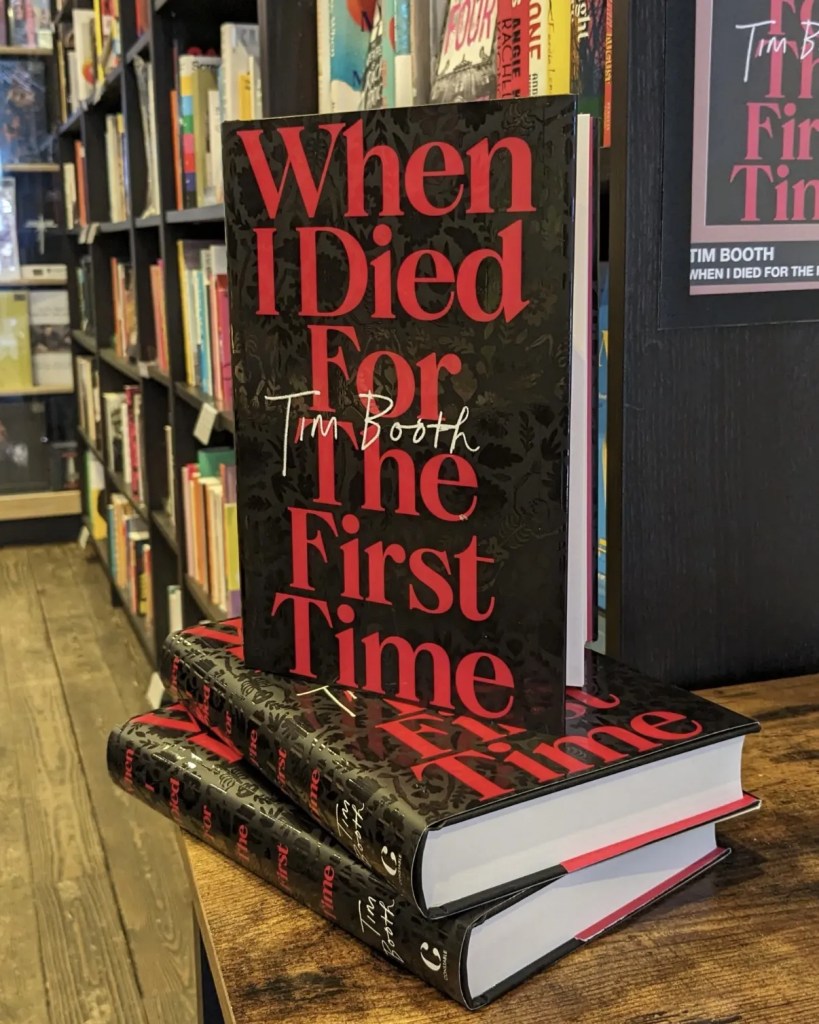
Why did you decide to write a novel instead of an autobiography? I’m bored of telling my story; I’m much more interested in telling someone else’s. It felt like a bigger challenge and a lot more fun. It also felt like, by lying – by, i.e., writing fiction – I could somehow tell more truth than by telling the truth of my own story. I believe that gives you more of a sense of what it’s like to be in a band than if I actually tried to write it all down. And I don’t trust my memory.
Do you not think that you have a good memory? It’s odd what it decides to remember. The other thing about memory is that I want to make a few more. We know now, scientifically, that every time we recall something from the past, we change it. How are we supposed to trust that?
How long did the book take to write? Over ten years. But it was in between James periods and there was a year and a half where I couldn’t write. I thought I’d lost it.
Did you do a lot of rewriting? I rewrote it and rewrote it. At one point, it was probably about 1,500 pages.
What was your writing process like? I often wake at 4am. I know that that’s a really good time for me to write. Everything’s quiet and the world isn’t working – there’s something really magical about it. I’d make sure I didn’t get lost in the internet, and write until 7 or 8, then go back to bed and sleep until 11 or 12. That would kind of be it. A lot of it was written like that.
Is that similar to how you write lyrics? If I’m working on a song, it’s in my head, so I’ll literally wake up at 4am with some lyrics going “shit, I’m going to have to write these down” and lying in bed, just kind of mulling them over and slightly changing them. A lot of the lyrics are written for or in the original improvisation.
Did you plan the story ahead of time, or just let it unfold? It’s like how I improvise lyrics. I’ll put two characters in a room, thinking they’re going to walk out of one door – and suddenly they’re going out of another. Then they’re heading to the bedroom. But I trust it and write it anyway. And once it’s written, I think: “okay, if I didn’t see that coming, hopefully the audience won’t either.” I trust that. I have to trust my muses.
There are some bonkers parts in it. *smirks* Like what?!
The crematorium! I remember when my grandfather died and was cremated. I remember these huge curtains, the priest talking about him, and thinking, “You didn’t know my granddad.” Then the curtains came down and you saw the coffin moving. I hated it. That memory stayed with me. So when I was writing that scene, I kept pushing it, pushing it. And then I thought, “God, I wonder if you’re actually allowed to watch the thing burn.”
Did you realise how dark parts of the book were while writing it? I didn’t realise how horrifying it was. I got lost in the artistry of trying to make it believable. I mean, a lot of people might not think it is believable, but you’re trying to take people on a journey – leading them from this to this to this. You become obsessed with that. It wasn’t until the last time I read it, when there were no edits left to do, that I thought, “shit, this is horrifying.” People are really going to be freaked out by this. I hadn’t realised that until then, even though I’d read it hundreds of times while editing. Suddenly it was like, “this is pretty fucking dark.” I love that.
Do you think that darkness surprised people? I don’t think many people see me as that dark, so taking people into that darkness felt important.
Did you do a lot of research into addiction for the book? A fair bit, but I’d seen so much of it around me. I went to a few meetings, talked to close friends who’d been through it, and read a few books.
Did you read anything that stayed with you or shaped it? ‘In the Realm of Hungry Ghosts’ by Gabor Maté inspired me. He argues that addiction is rooted in pain, often linked to emotional or physical trauma in childhood. One of the stories in the book describes a child whose mother put them in a washing machine and went out drinking.
Did writing Seth [Brakes] ever bring up unexpected connections between your life and his? I have to have a window open wherever I go – that comes from me.
Did a lot of your own touring stories make it into the book? Some start being my story, and then it’s a novel.
Do you think you’ll ever write another book? Yeah. The next one would probably be more about healing.
Would you ever write an autobiography? Maybe one day – if I need money for an old people’s home. But not yet.
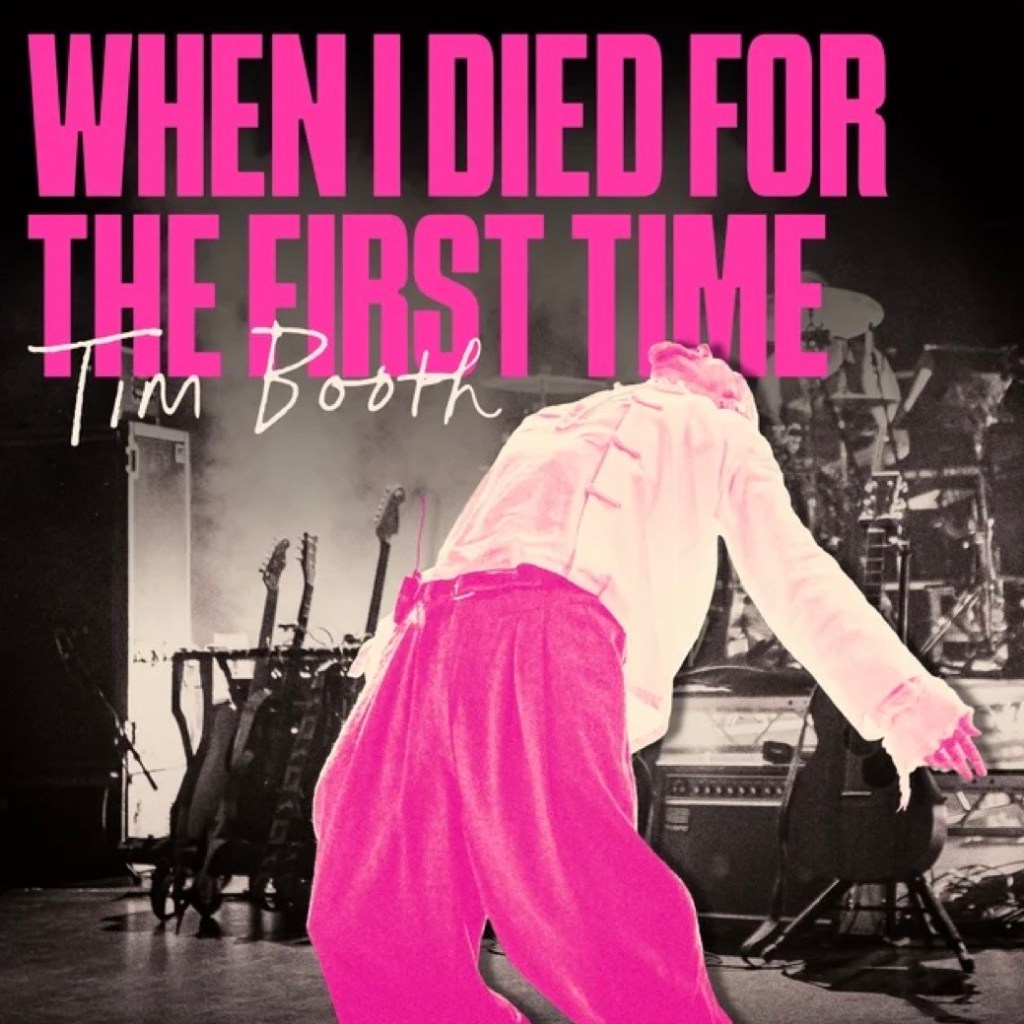
What’s been the story with recording the audiobook? I remember there being a point where it had to be rescheduled because of your voice. The first one was booked for Easter. I rang the director the day before and said I was coming in, and he said they’d only pencilled the dates in. They never confirmed them. The woman who mis-organised it said, “Oh, I’ll get an actor to do it rather than you, and they’ll do it in two days.”
What made you push back on that? She sent me an actor’s work, and it was just terrible. I listen to a lot of audiobooks, and I always check reviews, I always listen to the voice, and if the voice isn’t right, there’s no way I’m going to get that book. A bad voice can ruin a good book. The second time, we delayed it on purpose, partly because I kept pushing to read it with an actress friend of mine – I wanted her to do the female parts. They kept saying no, absolutely not, until I finally said, “I’m paying for it myself.” Suddenly it was fine.
Did that affect the structure of the book for audio? They said I’d have to re-edit the entire book – take out all the “he said, she said” stuff and restructure the scenes. They gave me about a week and a half’s notice, and I was on tour, so it just wasn’t possible. That ended up postponing it again. In the end, it was probably a blessing, because both of us lost our voices in the exact week we would have been recording.
Where do the nerves come in most when it comes to the audiobook? There are about twenty characters. That’s the scary part.
Can we expect to hear more of Seth’s music at some point? I’ve been sitting on some songs. I took them to the publishing company, thinking it would help promote the book. They had no interest at all. So I did it all myself, and I’ve got a record deal.


Leave a comment